The Port of Tacoma Moves the Pacific Northwest's Freight — Quietly, at Enormous Scale
Cranes taller than the skyline, ships the length of three football fields, and a partnership with Seattle that rebuilt how the region trades. Inside the working waterfront on Commencement Bay.
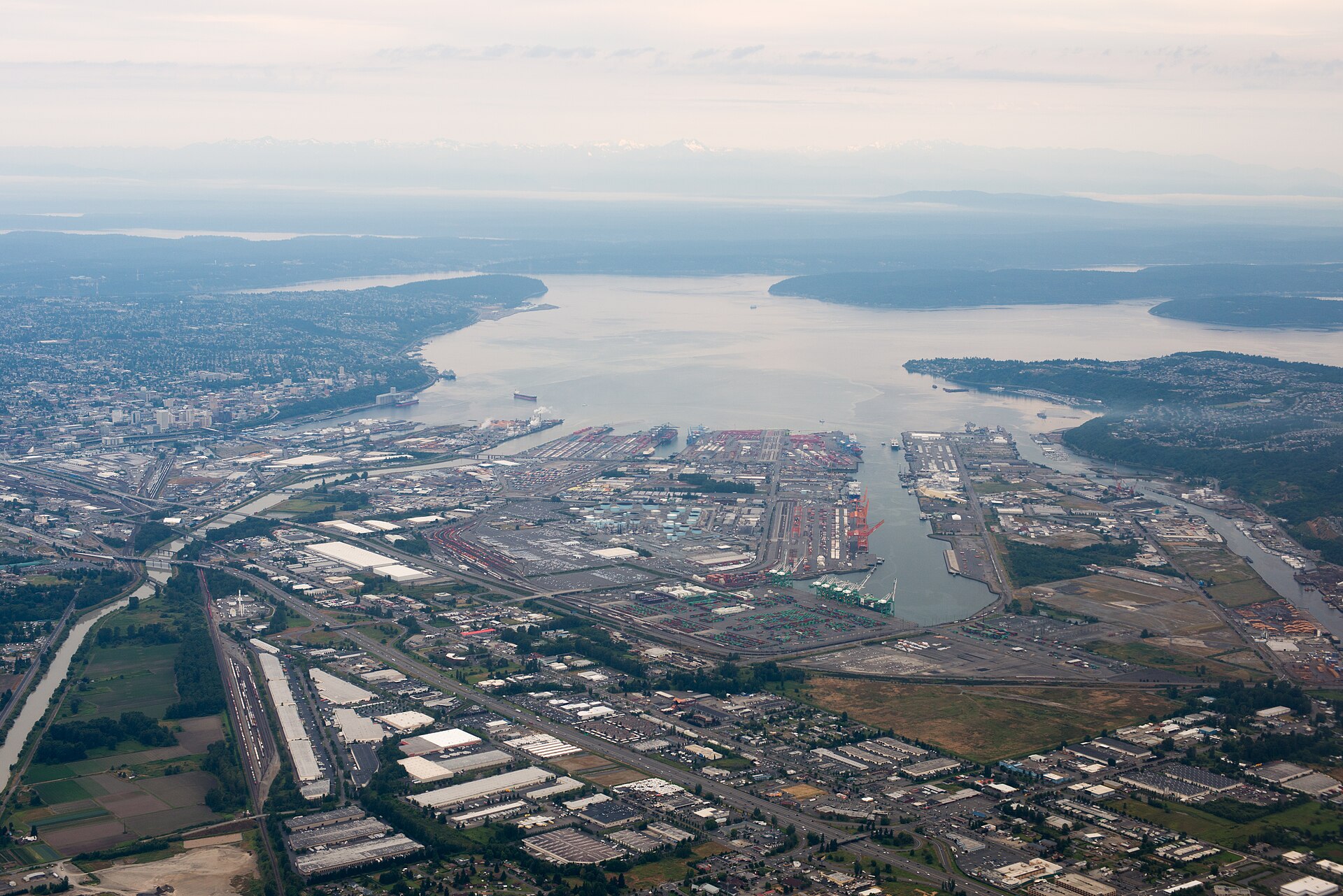
From most of Tacoma, the port is a skyline of cranes — ship-to-shore giants on the Blair and Pierce County terminals that rank among the largest on the U.S. West Coast. The Port of Tacoma, founded in 1918 on the tideflats where the Puyallup River meets Commencement Bay, is the city's industrial heart: container terminals, autos, bulk cargo and the intermodal rail yards that tie Puget Sound to the Midwest.
Since 2015 the port has operated its container business jointly with the Port of Seattle as the Northwest Seaport Alliance — a once-unthinkable merger of rivals that made the combined gateway one of the largest container ports in North America, competing for Asia-Pacific trade against British Columbia and California. The alliance's Tacoma harbor handles the biggest ships in the trade on water deepened and terminals rebuilt for them.
The port is also a landlord and an ecosystem manager at once: thousands of acres of tideflats industry side by side with restored habitat sites along the waterways, and a permanent negotiation between freight's needs and the bay's salmon, shellfish and shoreline — conducted, these days, in permits, mitigation banks and public meetings more than in courtrooms.
Fall is a telling season on the waterfront: holiday-season imports surge through the terminals, and the rail yards run hot moving the region's Christmas east. Tacoma has had many identities — lumber town, railroad terminus, smelter city. The port is the one that never left, and on a working morning, with the cranes swinging over a berthed ship, it remains the city's truest self-portrait.