Thea Foss Waterway: The Industrial Drain That Became Tacoma's Postcard
Named for the founder of Foss Maritime, cleaned from Superfund to skyline — the waterway's arc is the city's, in one channel of water.
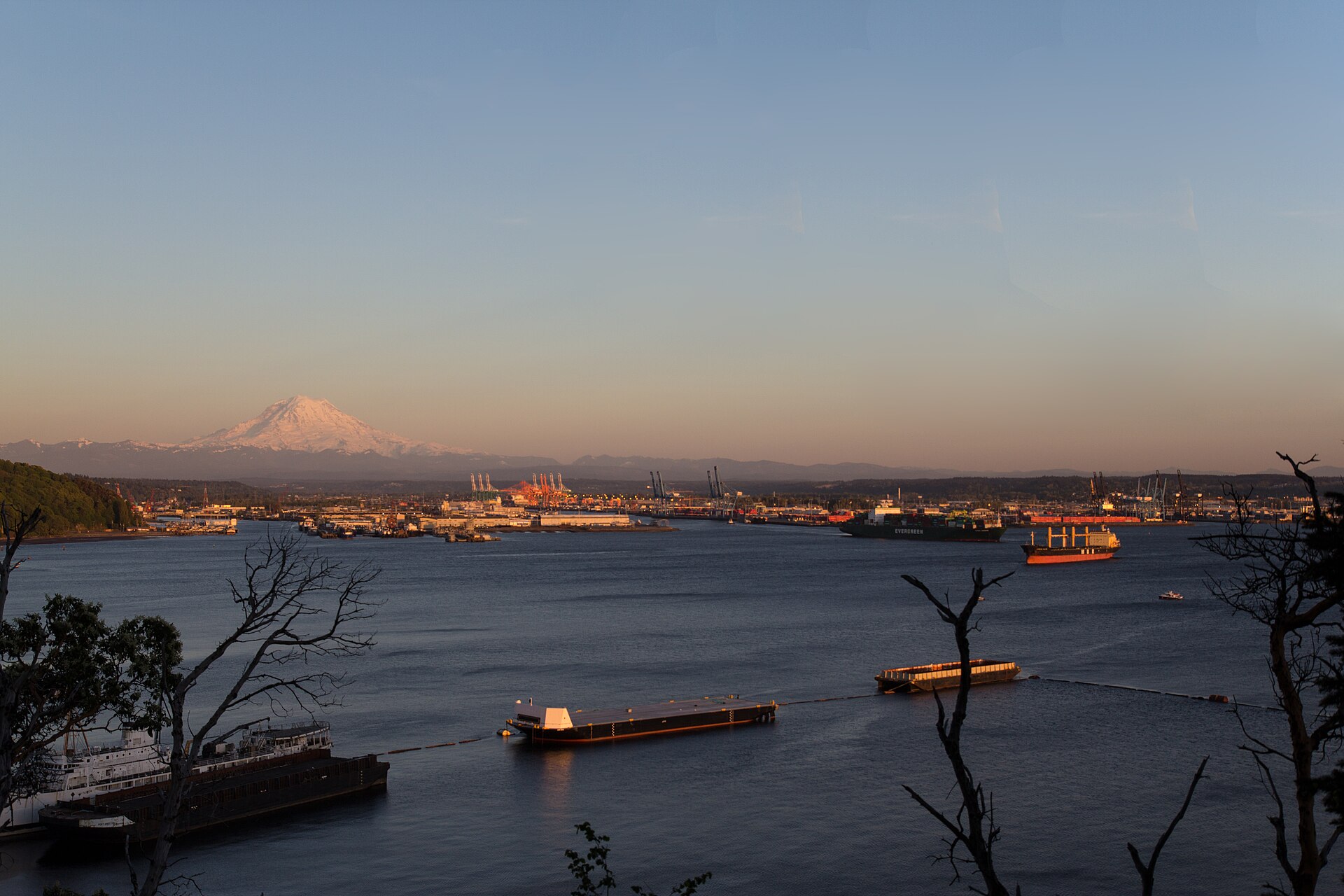
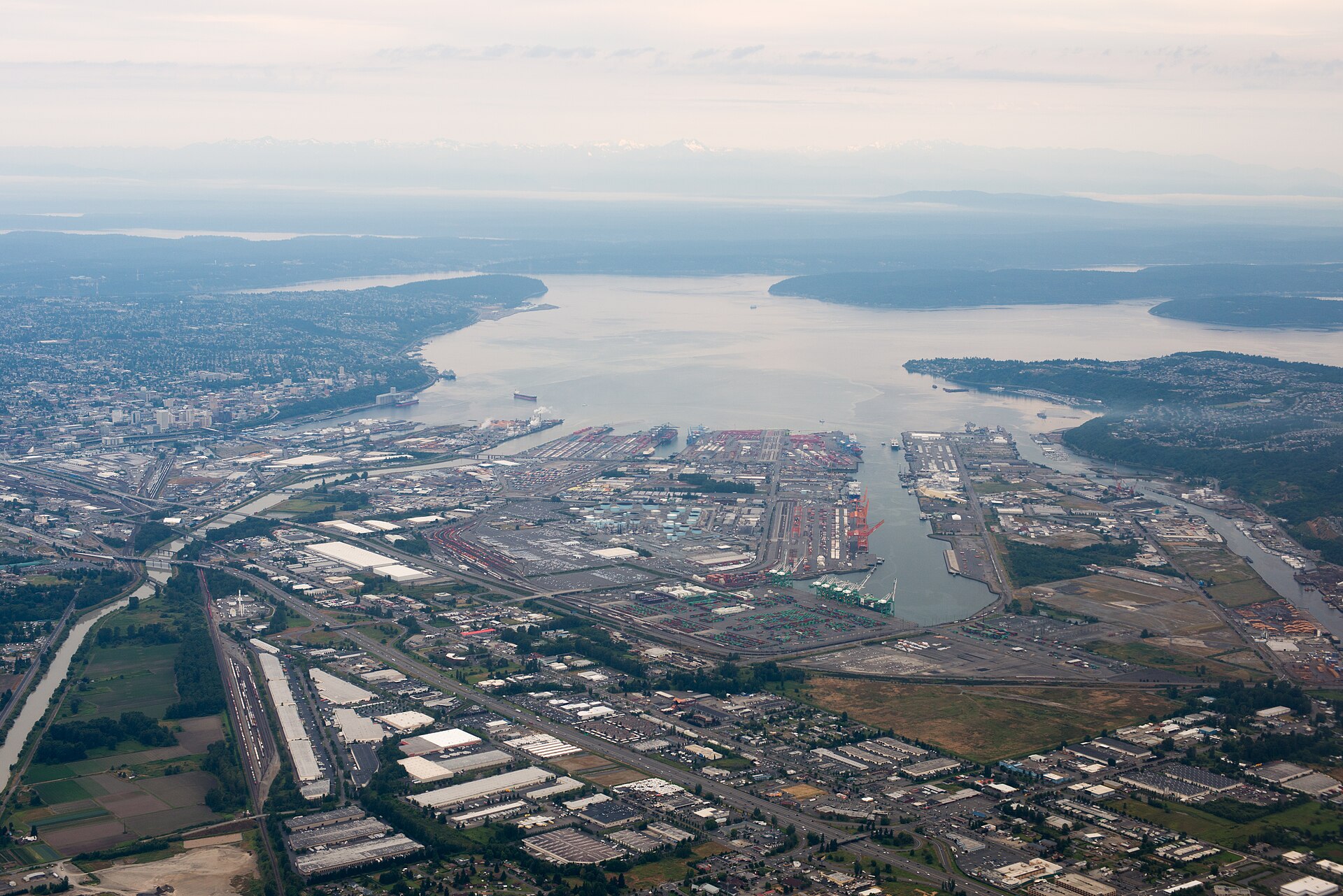
Thea Foss founded a tugboat empire from a rented rowboat on this water in 1889. The waterway that bears her name spent the twentieth century less romantically — as downtown Tacoma's industrial drain, its shores lined with mills and chemical plants, its sediments a Superfund chapter of their own.
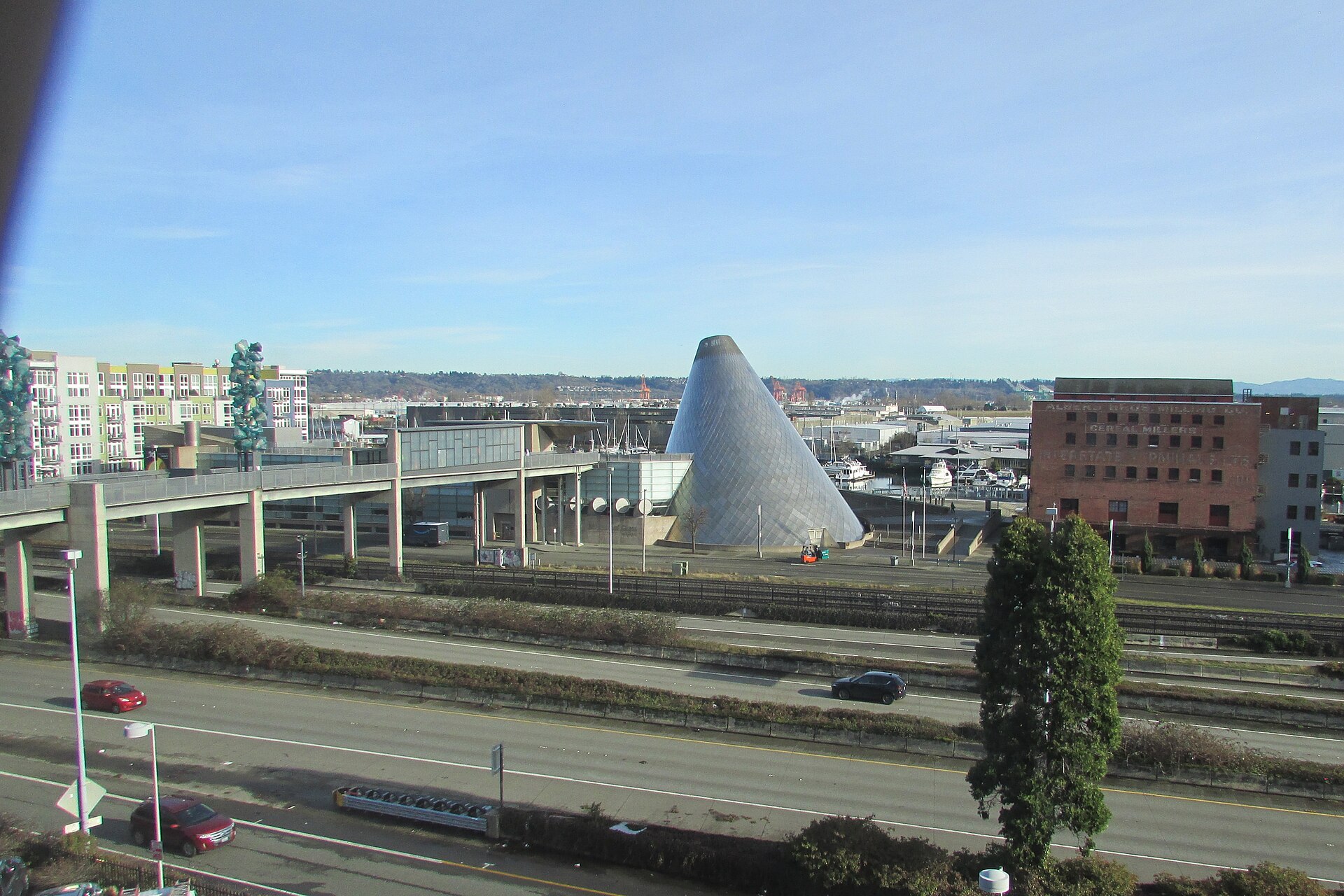
The waterway's reinvention is the hinge of modern Tacoma. Federal cleanup orders in the 1980s and 90s set the terms; the city and its partners then made the audacious move of treating a remediated industrial channel as premium urban waterfront — building the Esplanade along its east shore, the Museum of Glass and its bridge at its head, marinas and condominiums along banks that had been fenced off for a century.
Today it reads as the city's living room with working boats: Foss tugs still move on the water their founder rowed, pleasure boats crowd the marinas in summer, and the downtown skyline reflects off a channel that environmental reports once wrote off. The condos came, then the restaurants, then the argument every successful waterfront earns — about who it is for.
November on the Foss is the quiet test the waterway passes annually: gray water, working tugs, the glass cone lit against early dark. Tacoma's story gets told many ways. The waterway tells it in one image — industry and afterlife, sharing a shore, both still afloat.